


Journal: Notes, Planner, PDFs
4.61.21K Reviews
App Specs
- Version
- 193
- Updated On
- License
- Free
- Downloads
- 10,000,000+
- Developer
- Starnest JSC
- Categories
- Productivity
- Platform
- Android
Screenshots

 Analysis by AppCompare
Have you ever found yourself drowning in a sea of notes, reminders, and PDFs? I totally feel you. That's where Journal: Notes, Planner, PDFs comes in handy. I recently decided to give this app a spin to see if it could bring some order to my chaotic digital life. Spoiler alert: It didn't disappoint.
First Impressions
Right off the bat, the app offers a clean and intuitive interface. It's like stepping into a well-organized office, where everything is exactly where it should be. Downloading and setting up the app was a breeze; I was up and running in no time.
Features Galore
Let’s dive into the features. The app is a triple threat, combining note-taking, planning, and PDF management. Each feature is robust enough to stand on its own, but together, they create a powerhouse of productivity.
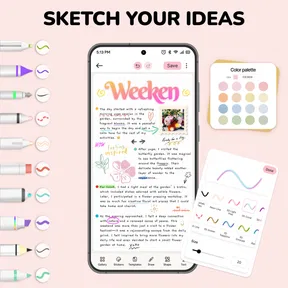
Note-taking is seamless. You can jot down quick thoughts or elaborate ideas with ease. The app supports rich text formatting, so you can bold, italicize, or underline to your heart's content. Plus, it’s got this nifty feature where you can add images and voice notes, which is a game-changer for visual and auditory learners.
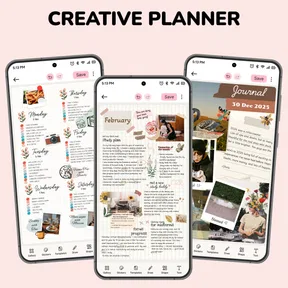
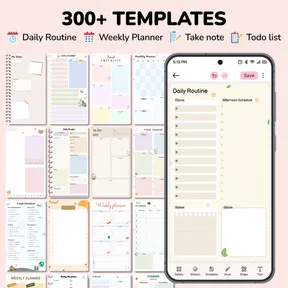
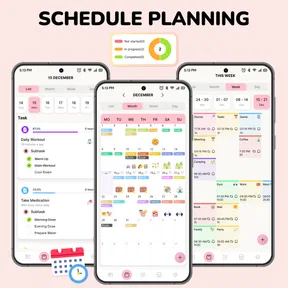
The planner is another highlight. It’s like having a personal assistant in your pocket. You can set up daily, weekly, or even monthly schedules. The reminders are customizable, ensuring you never miss a meeting or deadline. I love how it syncs with my calendar, keeping everything in one place.
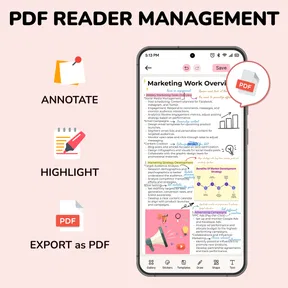
Now, PDFs can often be a pain, but not with this app. The PDF management feature allows you to annotate documents with ease. Whether it's highlighting important sections, adding comments, or even signing documents, it’s all possible here. Plus, you can merge and split PDFs, which comes in handy more often than you'd think.
User Experience
Using the app is a joy. It’s clear that a lot of thought has gone into making it user-friendly. Everything is just a tap away, and the transitions between different sections of the app are smooth. It's like the app anticipates what you need next, making the experience almost intuitive.
Worth Reading Before You Choose

EA SPORTS FC Mobile 26 Is a Bigger Football Game, but It Takes Time

Flipboard Shows What News Apps Must Do Beyond the Feed

Switching to Android Auto Means Rethinking Your Driving Routine

Google Calendar Makes a Crowded Week Easier to Manage

Ludo King Makes the Most of the Minutes Between Plans

Baby Panda World Brings Quick Play to Modern Phones, but Its Game Library Feels Busy
- Fluid navigation
- Quick access to tools
- Responsive design
Another aspect I appreciate is the app's performance. It runs smoothly without any lag, even when handling large PDF files or multiple notes. Kudos to the developers for optimizing it so well.
A routine that benefits from keeping things together
The biggest practical gain here is not that one tool replaces every specialist app; it is that a small task can stay close to the related note or document. For example, I might write down questions while preparing for an appointment, add the appointment to my planner, then mark up a PDF afterward. Keeping those steps in one place can reduce the little bits of switching that make a busy day feel more scattered.
For a student, that could mean saving a lecture thought as a note, keeping a study plan in view, and annotating a reading document without jumping between several apps. For someone managing household errands, a weekly plan and quick notes may be more useful than a complex project system. The app’s mix makes most sense when your day involves several kinds of information, rather than one deep, specialized task.
A useful habit is to decide what each part is for before adding lots of material. I’d use notes for information I may want to find later, the planner for time-bound commitments, and PDF annotations for comments tied to a document. That simple division helps prevent the common problem of writing everything in one long note and then forgetting where a deadline or document detail ended up.
Small workflow choices that save effort
Voice notes and images are valuable when typing would interrupt what you’re doing: capture a spoken thought while walking, or keep a visual reference with the note it belongs to. They are less helpful if you never review them, so I’d add a short written cue explaining why each recording or image matters. A quick label turns a pile of captures into something you can act on later.
PDF tools also benefit from a deliberate workflow. I’d mark up a document while reading, then use comments to record questions that need follow-up; highlighting alone can become hard to interpret when you return to a file weeks later. The ability to merge or split PDFs is handy when a document needs reorganizing, but it is not a reason to move every file into the app. Keep the working copies you need close at hand and avoid creating duplicate versions without a clear purpose.
Planning works best when reminders are reserved for things that genuinely need a prompt. If every minor task gets one, alerts can become background noise and the important deadline is easier to miss. I’d use the daily, weekly, and monthly views according to how far ahead I need to think, rather than trying to fill every view with the same level of detail.
Who will get the most from it
This is a good fit if you want a personal workspace for writing, scheduling, and working with PDFs, and you value convenience over having a separate best-in-class tool for each job. Its broad approach can suit students, people with document-heavy routines, and anyone who likes capturing thoughts in more than one format. Starnest JSC’s app is free to start, with optional in-app purchases ranging from $0.99 to $44.99 per item. It is rated for Everyone, and its average rating is 4.6 from around 164,000 ratings; it has over 5 million installs.
It is less compelling if your main need is a highly structured team task manager, a dedicated long-form writing environment, or a specialized PDF editor with a particular professional workflow. A focused alternative may offer a better fit when collaboration, intricate project dependencies, or advanced document production is central to your day. Combining tools can save switching, but it also means accepting one app’s way of organizing several different kinds of work.
User Experience
Using the app is a joy. It’s clear that a lot of thought has gone into making it user-friendly. Everything is just a tap away, and the transitions between different sections of the app are smooth. It's like the app anticipates what you need next, making the experience almost intuitive.
- Fluid navigation
- Quick access to tools
- Responsive design
Another aspect I appreciate is the app's performance. It runs smoothly without any lag, even when handling large PDF files or multiple notes. Kudos to the developers for optimizing it so well.
Security and Privacy
In today's world, security is a big deal. Thankfully, the app takes privacy seriously. The app offers end-to-end encryption, ensuring your notes and documents are safe from prying eyes. There’s also an option to lock the app with a pin or biometric authentication, adding an extra layer of protection.
Because a journal can hold personal thoughts as well as practical details, I would still be thoughtful about what I store there and use the available lock if other people might access my device. A lock can help with casual access, but it should not replace sensible habits such as keeping important files backed up in a way that suits your needs. For anyone whose work involves sensitive records or strict workplace requirements, I’d check that the app’s approach fits those obligations before making it the sole home for documents.
Practical limits before you settle in
A combined journal and planner can become cluttered if notes, reminders, and document markups are all captured without a routine for revisiting them. I’d spend a few minutes at the end of the week reviewing unfinished reminders and deciding whether a note still matters. That small review is more useful than adding increasingly elaborate organization to a system you rarely maintain.
Another trade-off is that having several tools together does not automatically make them feel identical to dedicated alternatives. Someone who mainly edits PDFs may prefer an editor built around document work, while someone who only needs calendar scheduling may find a dedicated calendar faster to scan. The app’s strength is the convenience of moving between different personal tasks; its value falls if you only use one section and already have a tool that serves it well.
The app is free, but optional purchases mean it is sensible to check what is included before relying on a paid capability. It is available in version 160 and requires Android 11 or later. It was released on January 23, 2024. Those details make it easier to judge whether it will suit your device and budget, without turning the choice into a commitment to buy extras.
Final Thoughts
After spending some quality time with Journal: Notes, Planner, PDFs, I can confidently say it’s a must-have for anyone looking to streamline their workflow. It’s packed with features that are both powerful and easy to use. Whether you’re a student, professional, or just someone who loves being organized, this app has something for you.
So, if you’re ready to say goodbye to digital clutter and hello to productivity, give this app a try. You can find it on the App Store and Google Play. Trust me, once you do, you’ll wonder how you ever managed without it.
My recommendation comes with one qualification: start with a single real routine instead of trying to migrate every note and file at once. Try using it for a week of appointments, a class or work project, or a set of PDFs you are actively reviewing. If keeping those pieces together genuinely saves you time, expand from there. If you mostly need one specialized function, a focused alternative may be simpler and more dependable for your particular workflow.
Pros
- Intuitive user interface design.
- Seamless PDF integration.
- Robust encryption for privacy.
- Cross-device synchronization.
- Advanced search functionality.
Cons
- Limited free version features.
- Occasional sync delays.
- No handwriting recognition.
- Requires internet for full features.
- Ads in the free version.
FAQs for Journal: Notes, Planner, PDFs
What features does Journal: Notes, Planner, PDFs offer?
Journal: Notes, Planner, PDFs provides a comprehensive suite of tools for organizing your thoughts and tasks. It includes note-taking capabilities, a planner for scheduling, and the ability to annotate and manage PDFs. The app is designed for seamless integration, allowing users to easily switch between tasks and formats, enhancing productivity.
Is Journal: Notes, Planner, PDFs user-friendly for beginners?
Absolutely. The app is designed with an intuitive interface, making it accessible for users of all levels. Beginners will appreciate the guided tutorials and the straightforward layout, which streamline the learning process. Features are clearly labeled and easy to navigate, ensuring a smooth user experience from the start.
Can I sync my data across multiple devices with Journal: Notes, Planner, PDFs?
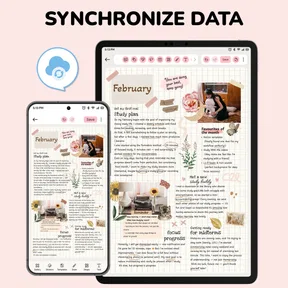
Yes, the app supports cross-device synchronization. By creating an account, you can ensure your notes, plans, and PDFs are updated in real-time across all your devices. This feature is particularly useful for users who switch between devices, as it maintains continuity and accessibility of information.
What are the privacy and security measures in place for my data?
Journal: Notes, Planner, PDFs prioritizes user privacy and data security. The app employs end-to-end encryption to protect your information. Additionally, users have options to set up password protection and use biometric authentication, ensuring that your data remains confidential and secure from unauthorized access.
Are there any in-app purchases or subscriptions required?
Journal: Notes, Planner, PDFs offers both a free version and a premium subscription. The free version includes basic features, while the premium subscription unlocks advanced tools, such as enhanced PDF editing and additional storage. Users can choose based on their needs, with the option to upgrade at any time.


